
Cupping in West Des Moines
Release Tension.
Restore Balance.
A gentle, effective therapy designed to reduce muscle tension, improve circulation, and support your body’s natural recovery process.

5-Star Google Rating
We are proud to have a 5-star Google rating! This demonstrates our commitment to excellent service and hopefully builds trust with new customers.

100+ 5-star reviews
We are honored to have received more than 65 5-star reviews on Google. We will continue to work hard and maintain the level of service for our clients!
premium health care
Cupping Therapy in West Des Moines
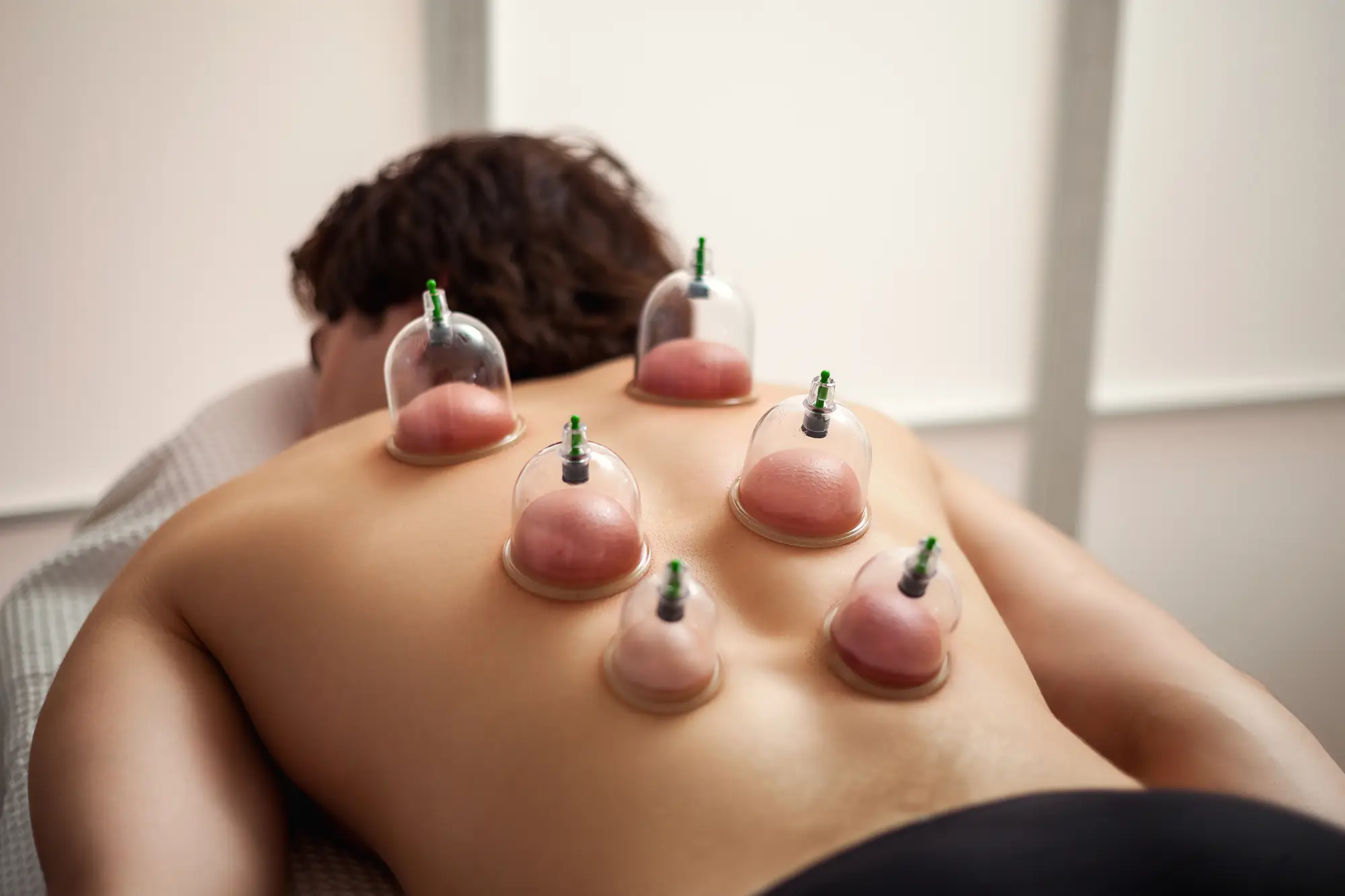
If you’re experiencing muscle tightness, soreness, or slow recovery, cupping therapy offers a natural way to support healing. Our licensed physical therapists use targeted techniques to improve circulation, release tension, and help your body recover more efficiently.
Each session is tailored to your needs. We focus on relieving restrictions, improving mobility, and helping you feel more balanced and at ease in your body.
Our Proven 4-Phase Recovery Program
Pain
In pain and unsure where to turn? Our physical therapy experts provide one-on-one care to identify the root cause and create a personalized treatment plan.
Prime
Staying motivated after pain relief can be tough. In We can help you regain mobility, flexibility, and strength, preparing you for success and injury prevention.
Recovery
Injured and frustrated being sidelined? Our experienced physical therapists create personalized rehab plans to help you recover quickly and get back to doing what you love.
Prevent
Worried about re-injury? Our physical therapists will equip you with the tools so you can prevent future injuries and ensure a quick, safe recovery.
Treatments to Keep You Moving
physical therapy
Move Better. Feel Stronger.
Physical Therapy
Physical therapy is a great first-line treatment for most muscle and joint problems. Clinically proven to reduce pain and dysfunction, physical therapy also saves you time and money.
Orthopedic Therapy
Find Your Center Again
Orthopedic Therapy
Orthopedic physical therapy is a specialized field of physical therapy that focuses on the treatment of musculoskeletal injuries and conditions. Orthopedic physical therapists..
Manual Therapy
Strong Foundations Start Here
Manual Therapy
Manual therapy is a safe, effective, and non-invasive treatment method that is used by physical therapists, massage therapists, and athletic trainers. Typically, patients visit a manual therapist..
premium health care
Support Recovery & Improve Movement
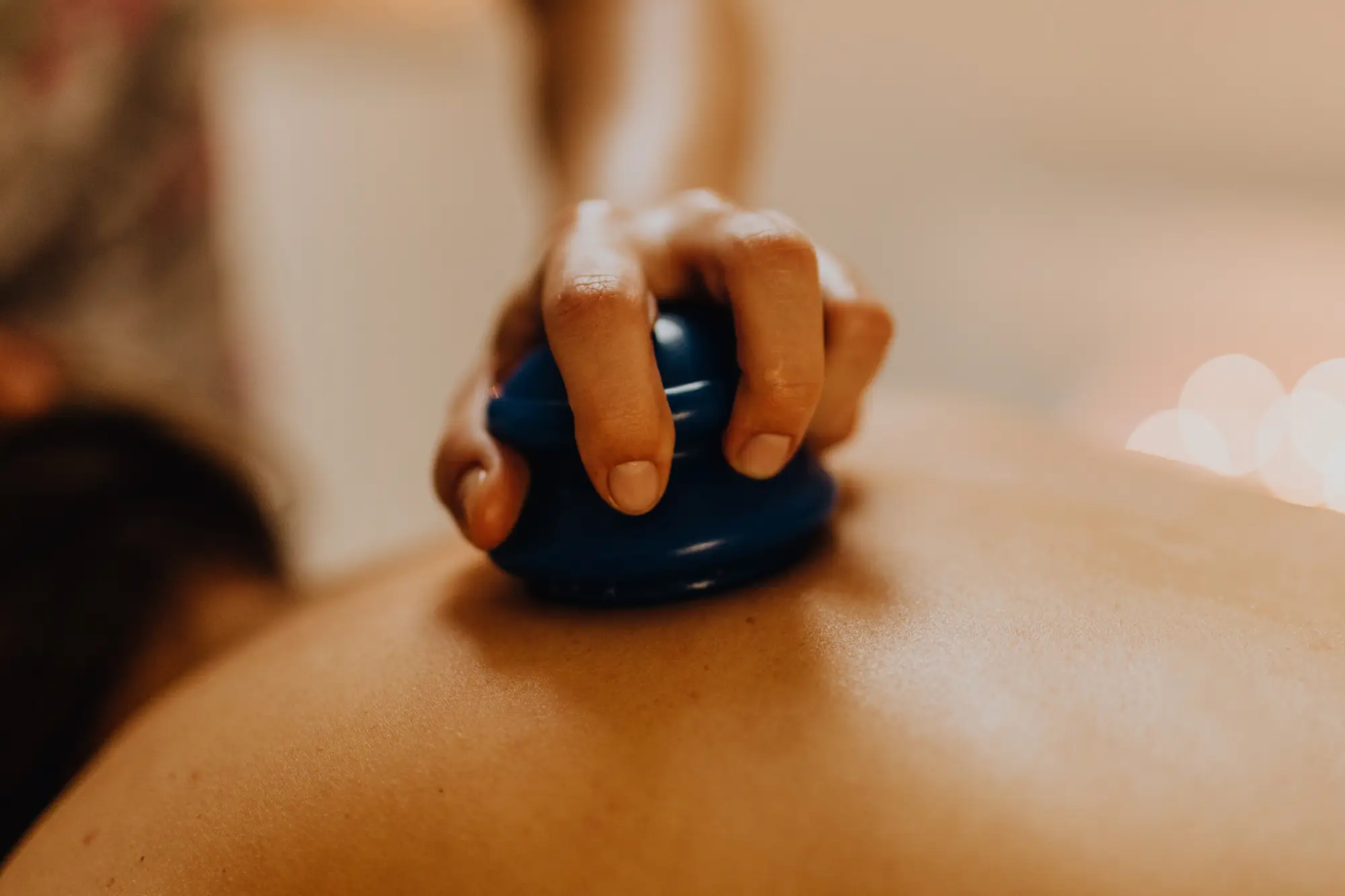
Cupping therapy works by gently lifting the soft tissue to increase blood flow and release tight or overworked muscles. This can help reduce soreness, improve mobility, and support overall recovery.
Your treatment is always personalized, combining cupping with hands-on care and movement guidance to help you recover, move better, and maintain long-term results.
Our Expert Team
Dr. Annette Smith
PT, DPT
Physical Therapist
Dr. Annette Smith
Dr. [Name] brings a personalized, patient-first approach to care, helping individuals recover, move better, and thrive.
Casey Smith
Co-Founder
Mountain Laurel PT
Casey Smith
Dr. [Name] brings a personalized, patient-first approach to care, helping individuals recover, move better, and thrive.
Dr. Katherine Greening
PT, DPT
Physical Therapist
Dr. Katherine Greening
Dr. [Name] brings a personalized, patient-first approach to care, helping individuals recover, move better, and thrive.
Success Stories & Testimonials
Frequently Asked Questions
What should I expect during physical therapy sessions?
Physical therapy sessions typically involve an assessment of your condition, manual techniques to improve mobility and flexibility, individualized exercises and activities to help you reach your goals, education on how to prevent further injury or pain, and instruction on proper posture, body mechanics and other lifestyle changes.
Do I need a referral from my doctor before attending Physical Therapy?
Iowa is a direct access state, meaning you don’t need a referral to see a physical therapist. A physical therapist can treat direct access patients when he or she does not perform osteopathic, chiropractic manipulation, or surgery.
What do I need to wear or bring with me?
You should dress in comfortable, loose clothing that allows you to move easily and doesn’t restrict circulation. Depending on your condition, your physical therapist may also recommend special shoes or a brace. You should also bring any paperwork related to your medical history, including x-rays, ultrasounds, and doctor’s notes.
Is there anything I can do before my appointment to prepare?
Yes! Make sure you arrive for your session well-rested so that you can give it your full attention and energy. It is also helpful if you keep track of how much pain medication (if any) you take prior to the appointment so that the physical therapist can adjust the intensity of treatment accordingly.
How long will my physical therapy sessions last?
Sessions typically last 30-60 minutes depending on your condition and the types of techniques used. Your physical therapist will give you an estimate when you first arrive for your appointment.
Are there any exercises I can do at home between appointments to help improve my condition?
Yes! Your physical therapist may provide specific exercise recommendations for you to try in between visits, which will help speed up your recovery and progress faster toward reaching your goals. It’s important to follow these carefully and always check with your PT before starting a new exercise program if you have any questions or concerns.
What if I have questions after my physical therapy session?
Your physical therapist should be available to answer any questions or concerns you may have about your treatment plan before and after each visit. You can also contact the clinic directly for further assistance. We want you to get the most out of every session!
Will insurance cover my physical therapy?
Mountain Laurel Physical Therapy accepts Blue Cross Blue Shield (BCBS) insurance and Medicare, along with various payment options. Insurance coverage for physical therapy depends on individual policies; we assist in processing claims to help you receive reimbursement according to your plan's guidelines.
How often will I need to attend physical therapy sessions?
The frequency of visits will depend on your individual goals and condition, but typically it is recommended that patients attend 2-3 times per week for a minimum of 4-6 weeks in order to maximize results. Your therapist will provide more details during your initial appointment.
How long will it take for me to see results?
Every person’s situation is unique; therefore the amount of time needed to reach goals varies. With commitment and dedication from both you and your physical therapist, you can expect to start seeing results within a few weeks. The more positive lifestyle changes you make, the faster your progress will be!
Will my physical therapist be able to answer any questions I have about my condition?
Yes! Your physical therapist should be available to discuss any concerns or questions you have regarding your condition or treatment plan. Don’t hesitate to bring up any issues that may arise during the course of therapy.
What if I feel too much pain during a session?
If at any time during your physical therapy session you experience increased pain, it’s important to let your therapist know so they can adjust the intensity or technique as necessary. Your therapist will work with you to make sure that treatment is comfortable and effective for you
How will I know when I no longer need physical therapy?
Your physical therapist should be able to provide guidance on when it is appropriate to stop attending physical therapy sessions based on your progress, goals, and overall health status. It’s important to listen to your therapist and continue with treatment until they feel you are ready to move on.